


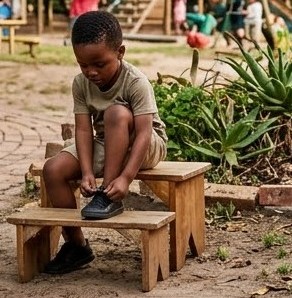
At Mindstretch we move from ‘labelling to enabling’. While it’s natural for parents of children with learning challenges to want to protect and help, too much input can unintentionally ‘over-assist’. This can make a child feel less capable. It also reduces their chance to learn and can delay their journey to independence.
Why Go for Minimal Assistance?
Experts argue that independence is the greatest gift we can give a child. Doing for a child what they can do for themselves can rob them of the opportunity to develop self-efficacy.
Research from Harvard even suggests that childhood chores are one of the best predictors of adult success and mental well-being: Responsible and Caring Kids.
When we step back, we let a Growth Mindset take root. We teach children that through effort and ‘beautiful mistakes’, they can master their world.
Expecting more from your child builds independence, encourages learning, and strengthens their self-respect.
Are You Over-Parenting?
Small habits can unintentionally signal to a child that they are unable. Common ‘traps’ include:
- Physical Over-Assistance: Carrying their school bag or carrying them into school instead of letting them walk.
- Daily Self-Care: Dressing or feeding a child who has the motor skills to try themselves.
- Communication: Using ‘baby talk’ which slows language processing and social maturity.
- Rescuing: Cleaning up every mess or overcompensating for small accidents rather than letting the child problem-solve.

Steps Towards Independence
To build resilience, consider these Mindstretch tips:
Assign Home Chores: Even simple tasks like sorting socks or clearing a plate build focus and self-regulation skills.
Set Clear Boundaries: Repercussions for poor behaviour are essential. Making excuses prevents a child learning responsibility.
Applying Consequences: Rather than making excuses for a child’s bad behaviour, use logical consequences. For example, if a child refuses to walk into school, the consequence might be missing out on the first few minutes of a favourite morning activity. If they create a mess, the follow-up is a firm requirement that they help clean it up before moving to the next fun task.
This teaches that their actions have a direct impact on their day. It’s more effective than nagging or making excuses like, “He’s just tired”.
WATCH AND WAIT — Count to ten before jumping in to help. Let the child try, show you believe they are able.

By balancing our support with the child’s actual abilities, we shift from being their ‘fixers’ to being their ‘supporters’— we support their growth without limiting their potential.
Learn More Here
See this article for an excellent step-by-step approach to helping your child learn a new task and become more independent: Practicing Appropriate Assistance.
Be a ‘supporter’ not a ‘fixer’ to help your child develop life skills and confidence.
We’re located in Pinelands, Cape Town. Join us — we’ll help your child flourish.