

What is the Vestibular System?
The vestibular system is our body’s internal GPS, using tiny fluid-filled sensors in the inner ear to detect how our head is moving through space. Our brain uses the information to keep our balance and stay upright
🩵 Check out our related article on movement and the vestibular system.
Why Work on Balance?
With balance activities we help children:
✓ Improve visual tracking: being able to hold a steady visual image while watching an object that’s moving.
✓ Work on muscle tone and improved posture.
✓ Experience a wonderful sense of achievement.
Find below some fun activities to try at home.
Balance Beam
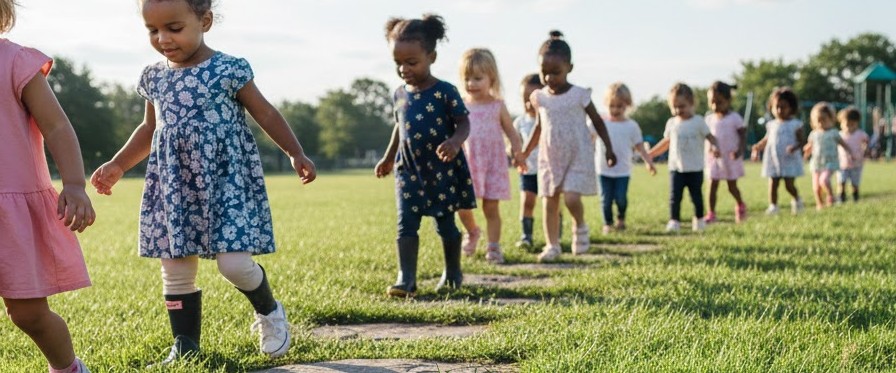
There’s no finer place to start than a balance beam set up on a soft surface (e.g. grass, carpet).
- Setup: If you don’t have a make-shift balance beam, stepping stones or bricks will work.
- Support: If your child struggles, start by holding their hand. Use the lightest support possible and gradually decrease it until you are just touching them with your fingers.
- Fun Variation: Add some spice by pretending the ground is water full of crocodiles!
Tightrope Walking
A great extension of the balance beam—like a circus star!
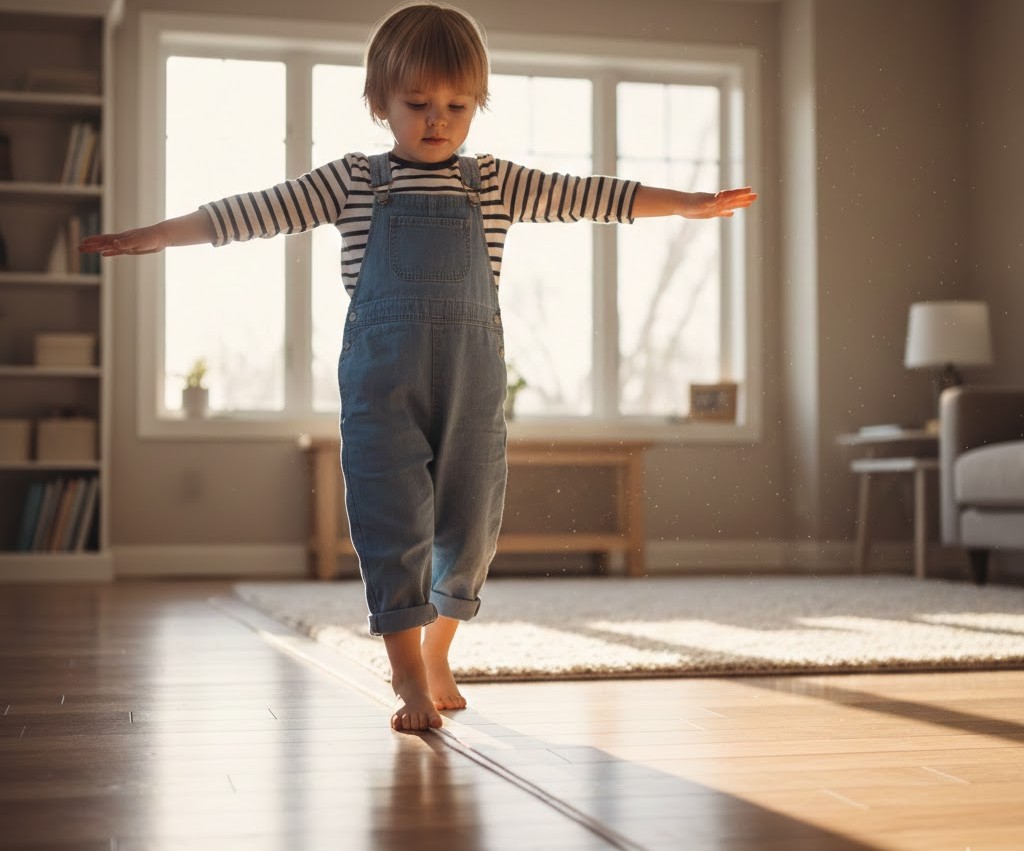
- Setup: Use tape or chalk to draw a line on the ground, or use a long piece of string or a jump rope.
- Steps:
- Have your child start by walking sideways across the line to feel out their balance. Can they keep their feet on the line the entire way?
- Next, encourage toe-to-heel walking along the line.
- The final challenge is to walk the line backwards.
- Balance Tips: Encourage your child to keep their arms straight out to the side, or have them hold a stick to help with balance.
The Egg and Spoon Stroll
The goal of the stroll is to get a boiled egg to the finishing line without dropping it. It’s a gentle stroll, not a race.
- Setup: Your child will need a large spoon for scooping up the egg. Mark a finishing line and place a cup or small container there to receive the egg.
- Progression: Start with a short distance, and increase it as your child improves. You can add a countdown to encourage them to go a little quicker.
- Race Variation: Try making it a race—who can get to the finish quickest without dropping the egg?
Bean Bag Balance
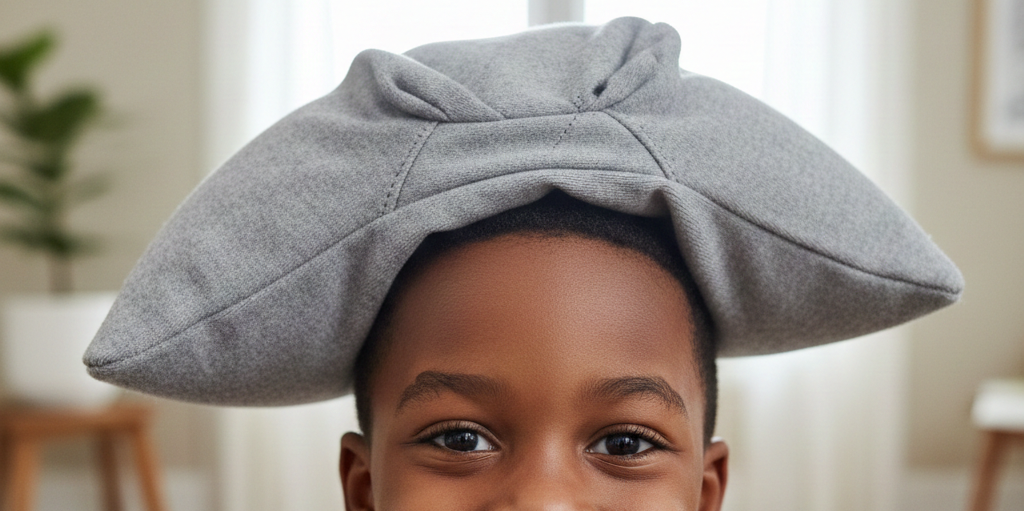
Challenge your child’s balance further by having them balance a bean bag on their head while doing the Balance Beam or some other activity.
- Extra challenge: have them try a heel-to-toe walk or walk around obstacles while keeping the bean bag on their head.
- Fun variations: try balancing a book or a cookie on their head.
Flamingo Stand
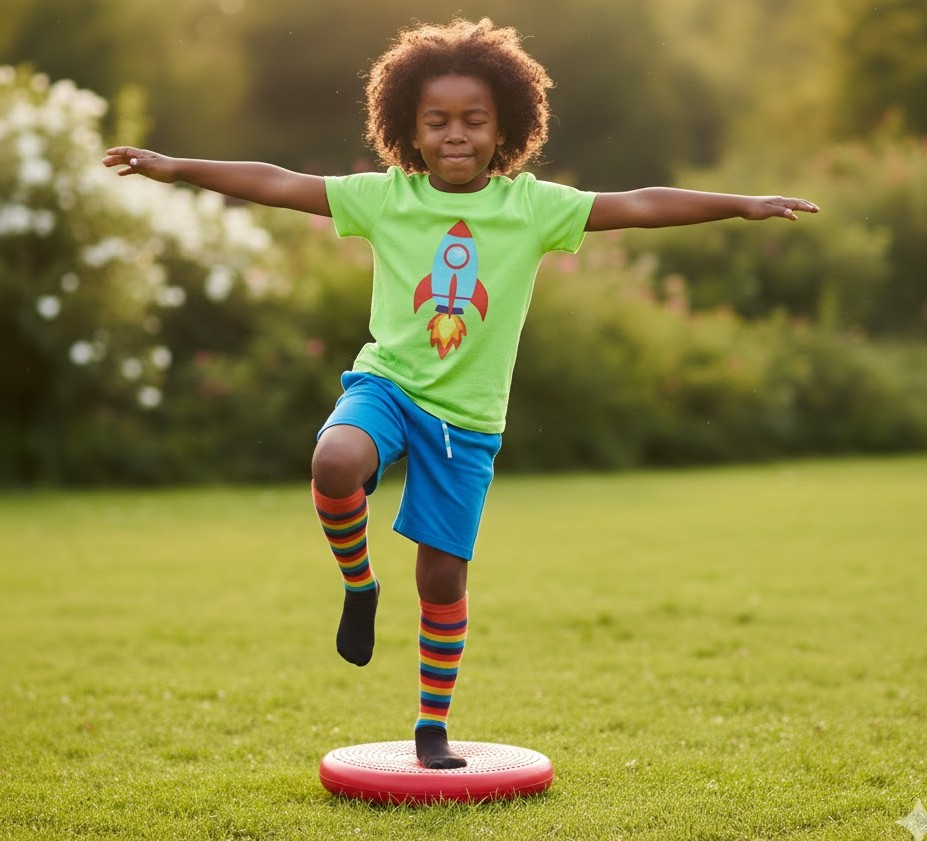
To be a flamingo you need to stand on one foot. This is hard for most young children, so go slowly.
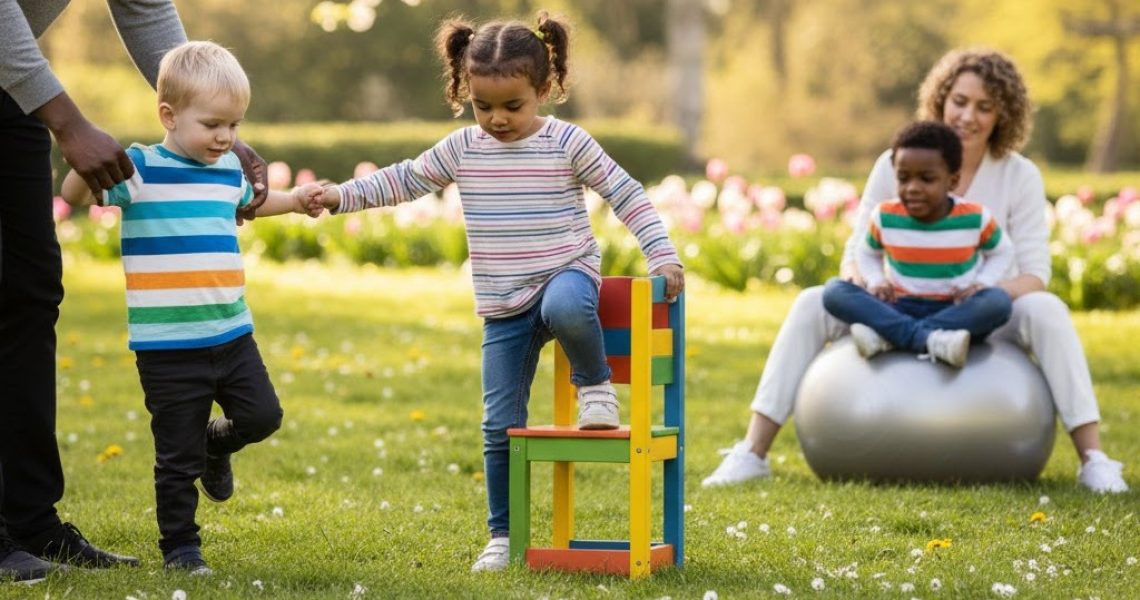
- Setup: Begin by having your child stand with one foot on the ground while the other rests on a step stool.
- If this is too easy, replace the step stool with a large ball.
- Progression: Next move on to standing on one leg using arms out to the side for balance.
Gentle repetitive vestibular input is calming and helps organize the nervous system.
SAFETY FIRST
With balance exercises, a few tumbles are likely. Please practice the moves on a soft surface without any clutter nearby.
Go slow, enjoy the journey! If you’re uncertain, seek advice from your teacher or an OT.
Want more detail on the system?
- This video gives an overview of the Vestibular System (2.5 minutes).
- This research study on the impact of Vestibular Rehabilitation Therapy further explores its effect on visual and motor functions. It describes how vestibular dysfunction can lead to a lack of “adequate gaze stability and the ability to focus on moving objects.”
At Mindstretch our purposeful daily movement strengthens the vestibular system, building body awareness and confidence.